
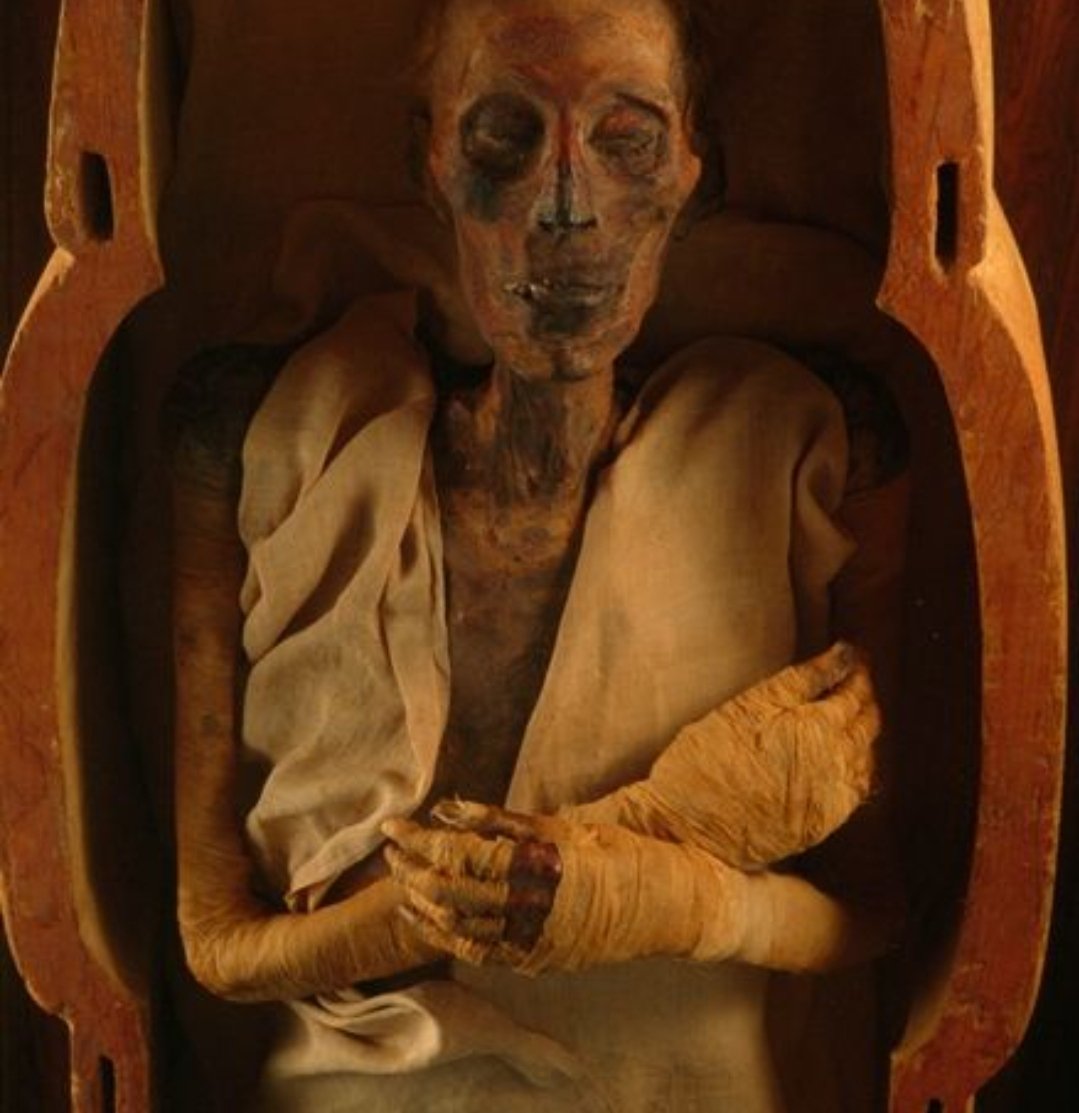

This is the sequel to the short story entitled, “The Curator,” written by Sarah Dixon Young last year for Halloween. You can read the original story here.
I sat in the waiting area while the Curator hissed at someone on the telephone.
“Well, of course I will have to release those artifacts.” He paused. “Yes, I understand that those specimens do not belong to this museum.” He sighed. “Yes. I see that your representative is here.” He hung up, and his hood shaded his face as he walked toward me.
I stood and picked up my clipboard.
“Your supervisor sent you to get only the living exhibits, right?” the Curator asked impatiently.
“Yes, that’s correct,” I answered.
His keys rattled as we walked quickly down the corridor.
“I showed you last time that everything here is marked by the ravages of death. If I had known that you were on a scouting mission, I would not have allowed you free range through our rare and expensive collection.”
The tension was palpable and the rooms were still warm. “I wasn’t working for my supervisor then,” I explained.
“But He was working in you. I should have sensed it.”
The Curator stopped in front of a long, low glass case with gilded edges. Soft, white cotton lined two shelves inside. Because of the dimness, I had to lean forward to get a clear view of the contents.
“Fingers,” he said, just as recognition dawned. “Severed fingers, partially decayed, covered with fungus. Your supervisor has no claim or interest in these, I’m sure.”
I studied my clipboard, partially to be able to avert my eyes from the gruesome specimens. “I have three of these on my list,” I said.
The shadowy hood turned toward me, and I could just see a sort of gleam where the Curator’s eyes should be.
“What do you want with dead fingers? You can see that they are beyond repair,” he said.
I looked again at the clipboard. “I am not here to judge between the living and dead, but only to obey the commands of my supervisor.”
“I see,” he hissed.
He removed the three fingers and threw them into a brown paper bag. I took it and rolled the top over to contain the smell. Then, we proceeded down the corridor to the next display.
This case reached from floor to ceiling but was only dimly lit. What light there was glinted off of a rectangular metal blade surrounded by a collection of irregularly shaped rocks.
“This is the guillotine room,” the Curator couldn’t disguise his pride. “Surely your supervisor won’t want anything to do with those who were guilty enough to have been selected for arrangement in this display.”
I began to see that the items in the display that I had previously thought were rocks on the ground were not rocks at all. The hair, the eyes, the ears, the noses- all proclaimed the absence of life. Even the blood in the display was fake.
The Curator shrugged. “The life is in the blood,” he mimicked the great words, “so, of course, we couldn’t have any of that here. Although, you have to admit that my imitation is very convincing.”
We stood silently surveying the scene. “He can’t possibly claim any of these,” he said finally.
I remembered my clipboard then and gazed through the list.
“Yes. There are seven of these that He wants.”
The Curator snorted in derision. “What can he possibly want with them?”
I chose not to answer. The heads were put into two larger paper bags and handed to me. I didn’t want to carry them around, but I followed orders.
I followed the sound of his rattling keys again.
“I won’t have anything left if your supervisor carries on like this,” the Curator said.
I smiled grimly.
We passed the room with the empty case quickly, but I now knew Who had been in there. I knew why the Curator disliked it, and I understood why he rushed to lead me into a different dimly lit room.
“Well, since you will have to have so many funerals for the specimens you’re taking, you might as well take some of the paraphernalia too.” He opened a coffin filled with beads, crucifixes, fake flowers, dried herbs, lace, ribbons, and trinkets.
“Please, take whatever you need,” he said.
I shook my head. “We won’t need these things.”
He hissed and shrugged. “Of course you will. These things go with the dead.”
I smiled. “Oh, these aren’t going to stay dead.”
He stumbled backward a step. “But the fungus! The uselessness! The shriveled, wrinkled skin! They are here because they are dead. You don’t put live things in a museum.”
I nodded. “You’re exactly right. That’s why I’ve been sent to remove them because the Supervisor specializes in making dead things live.”
“No one can do that. Dead is dead,” the Curator insisted. “Otherwise, I would be out of a job and ruined.”
“Remember the specimen who walked out of the empty case? The same power that raised Him is raising these.” I clutched the paper bags and turned toward the exit. “Perhaps you ought to start looking for a new line of work.”
His long, low wail followed me out of the dark building. I stood blindly blinking in the dazzle of day.
My Supervisor stood leaning against the trunk of a live oak.
“I got everything you sent me for, Sir,” I said, holding the three bags out to Him.
His smile warmed me as He took my burden.
“Even when you were dead in your trespasses, I made you alive together with Christ,” He said.
I bowed my head. “I remember that.”
“By grace you have been saved through faith, and this is not your own doing; it is the gift of God.”
As He said the word “gift,” the bags began to tremble and grow until they burst. I expected there to be the rotting smell of putrid flesh, but instead, there stood ten fully formed living people radiating the glory of God.
They smiled at one another, at me, and at the Supervisor.
“Now,” He said, “listen carefully to me. You are the church, and these are your marching orders.”
 Sarah Dixon Young